www.ebizguides.com
84
The Salvadoran Economy
(Belize, Costa Rica, and Panama) than to export
labor.
The model that has been used for the last 15 years
has been to export labor (migration and maquila) and
to attract capitals from the service sector (banking
and tourism) that depend on international cycles.
Between 40 to 95% of the national income is derived
from exports, tourism and official development
assistance.
The deregulation of the work market has increased
international competitiveness in Central America
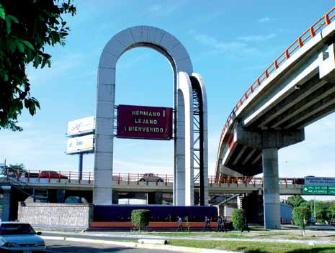
Hermanos Lejanos monument, dedicated to the 2,5 millions Salvadoreans
that live in the States (Camarasal)
with lower salaries and increased flexibility of
working arrangements which translates to temporary
contracts, ease of hiring and firing, reduction of
social benefits and social security contributions
among others things.
Currently El Salvador has a Gini coefficient of 0.493
and out of 182 countries is in position 106 on the
Human Development Index that is 0.747 according
to 2007 data.