200
Education & Healthcare
contributes to 12.5 percent of all deaths. Diarrheal
diseases represent 12.9 percent of all deaths, and
Tuberculosis represents 5.9 percent of deaths.
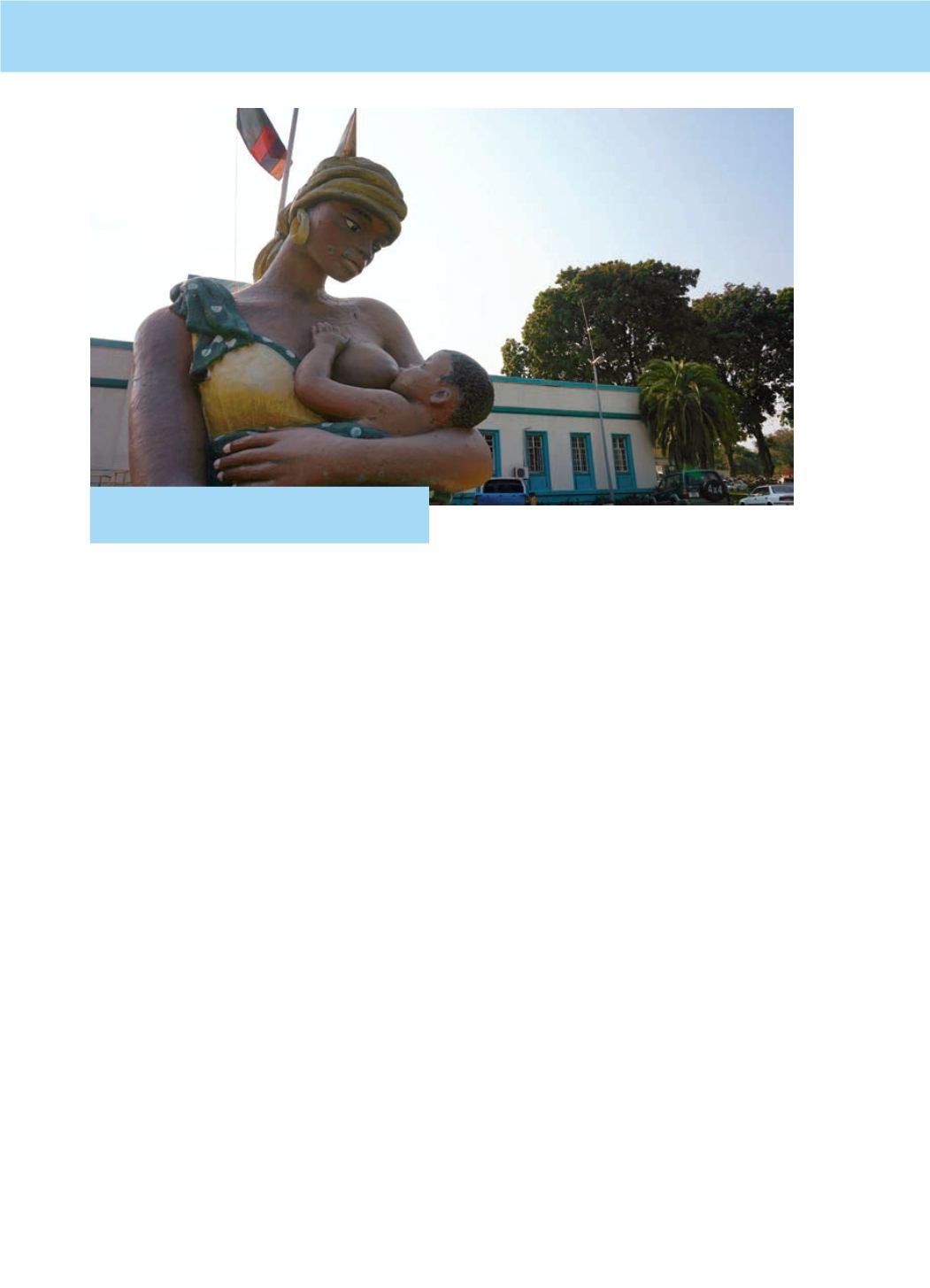
Mother and chil
d heal
th
Zambia has one of the highest mortality levels
in the world when it comes to maternal and child
health. In the past 10 years, however, there have
been significant improvements.
Pol
icy
and reg
ul
ation
The country’s current legislative and institutional
framework regarding health services is inadequate
and outdated, with 14 applicable acts enacted
more than 50 years ago. Many new policies and
legislations are still in draft form, and as the 1995
National Health Services Act was repealed and not
replaced, the health sector is in now operating in a
legislative vacuum.
As such, healthcare is regulated by the following
entities:
•3harmaceutical 5egulator\ $uthorit\
•Food and 'rugs /aborator\
•Environmental +ealth and Epidemiological Trends
Unit
•5adiation 3rotection %oard
OVERVIEW
The Zambian government has made healthcare
a high priority, and as the middle-class is rapidly
growing, such individuals are now able to pay for
substantiall\ improved health services. 3rivate
sector health services are developing in terms of
service and quality, but there is still room for im-
provement and foreign investment.
As nearly half of all Zambian are currently living in
poverty, it is clear that income inequality is quite
high, which, in terms of healthcare, is very trou-
bling for a large group of the Zambian population.
Malnutrition is seen amongst many poor Zambians.
While malnutrition and the lack of immunizations
for children are clear trouble areas for the country,
poor environmental sanitation only makes things
worse. Such poor sanitation negatively affects the
water, food, and general living conditions of Zam-
bians, and it is a major contributor to the overall
decline in public health.
Disease burden and needs
Some of the most common diseases affecting the
country are malaria, HIV/AIDS, tuberculosis, diar-
rhea, skin diseases, respiratory tract infections,
and malnutrition. Non-communicable diseases
have also been on the rise as of late.
Regarding communicable diseases, HIV/AIDS con-
tribute to the most deaths (65 percent), and Malaria
Credit: Luis López
Statue of a breastfeeding mother in front of Ndola’s city hall


